Stable Confidence Masks Growing Divide Between Large and Small Businesses
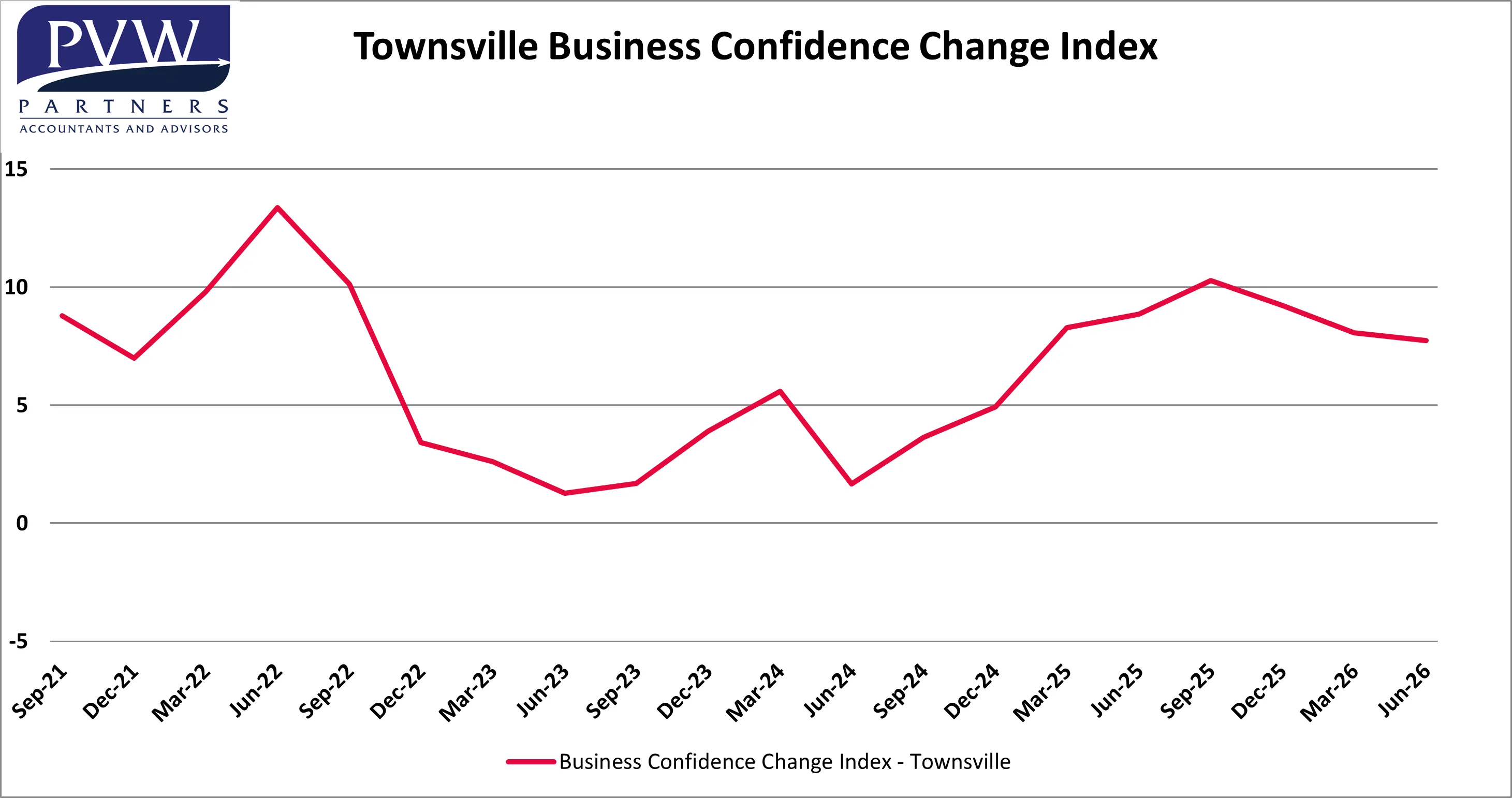
Running for 35 years, the latest PVW Partners Business Confidence Survey points to a broadly stable but cautious business environment, with overall sentiment remaining close to neutral despite a slight dip of 0.3 points.
According to PVW Partners Partner Sonia Chalk, the headline result reflects a holding pattern in sentiment, with businesses pausing major decisions amid ongoing cost pressures and uncertainty around the timing of future economic conditions.
“Overall confidence has remained relatively steady, with only a marginal downwards shift of 0.3 points. What we are really seeing is a business environment holding its ground rather than moving sharply in either direction,” said Sonia Chalk.
A key feature of this quarter’s results is the growing divide between larger and smaller businesses. Organisations with turnover above $10 million reported a lift in confidence, while those below this threshold experienced a decline.
“There is a very clear split emerging in sentiment. Larger businesses are showing greater resilience and optimism, while smaller operators are feeling more immediate pressure from costs and market conditions,” Ms Chalk said.
Despite this divergence, the survey revealed a surprising uplift in expected sales and consumer demand, suggesting underlying strength in economic activity. Capital expenditure also remained steady, even as supply chain concerns persist.
“It was encouraging to see expectations for sales and demand trending upward, and importantly, businesses are still holding firm on capital investment plans. That signals a level of confidence in medium-term conditions,” she said.
However, discretionary spending is under pressure, with reduced expectations around promotional activity and advertising, alongside a forecast decline in air travel, contributing to softer sentiment overall.
Cost pressures remain a dominant theme. At the time the survey was undertaken the current fuel price hike had not yet taken affect however more than 80% of respondents expected crude oil prices to significantly drive up fuel and operating costs. This has come amid significant increases at the bowser, alongside the Australian Government’s temporary reduction in fuel excise of 26.3 cents per litre from 1 April to 30 June. The flow-on effects of rising fuel costs are expected to be particularly significant for the agricultural sector and wider food supply chain, where farmers have limited capacity to absorb higher input costs and almost all goods rely on road transport for delivery, amplifying the impact across the economy.